

Practical information
Useful information for your canoe trip down the Dordogne
Planning a canoe trip down the Dordogne River also means discovering a peaceful river, exceptional heritage sites, and some useful tips before you set off. Between listed villages, castles, unspoiled nature, and practical information, this page will help you organize your canoe or kayak trip in the Dordogne Valley.
Why explore the Dordogne Valley by canoe?
Natural landscapes
Discovering the Dordogne Valley by canoe is one of the best ways to explore the Périgord Noir region from a different perspective. Drifting along the river, you'll find a unique view of unspoiled natural landscapes, from limestone cliffs and pebble beaches to the typical vegetation of the southwest.
Exceptional heritage
Unlike a traditional tour, a canoe trip allows you to admire iconic sites like Montfort Castle, La Roque-Gageac, the fortified town of Domme, Castelnaud, and Beynac directly from the river. These panoramas, visible only from the water in their entirety, make the experience particularly immersive.
Accessible to all
With its calm current and routes suitable for all levels, the Dordogne is ideal for a first canoeing experience. Whether with family, friends, or as a couple, everyone can enjoy an accessible outdoor activity, punctuated by swimming breaks, picnics, or simply moments of relaxation along the river.
Canoeing on the Dordogne River is therefore a way to combine discovery, nature and heritage in an exceptional setting, classified as a biosphere reserve by UNESCO.

What is the difference between a canoe and a kayak?
Canoeing and kayaking are two lightweight boats ideal for navigating the Dordogne, but they have some important differences to know before choosing.
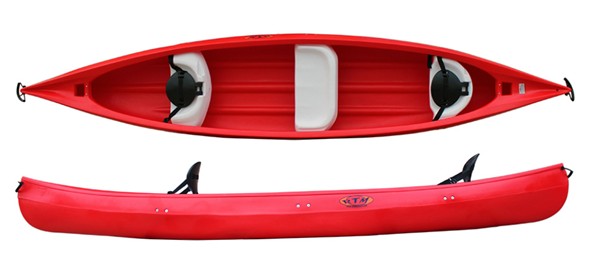
Canoeing: stability and conviviality
A canoe is an open boat, generally designed for two to four people. Wider and more stable, it is particularly well-suited to families or groups wishing to enjoy a leisurely paddle. It also offers more space for carrying a picnic or belongings.
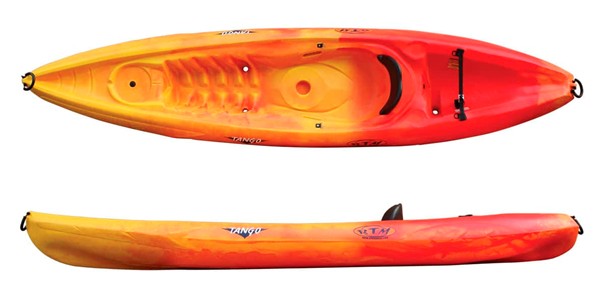
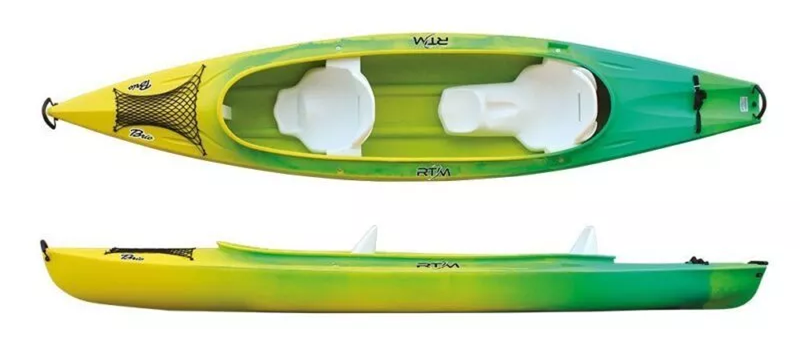
The kayak: maneuverability and dynamism
The kayak is narrower and often used solo or in pairs. It is steered using a double-bladed paddle, making it more maneuverable and fluid on the water. It is ideal for those looking for a more dynamic paddling experience.
What to choose in the Dordogne?
On a calm river like the Dordogne, canoeing is often preferred for its comfort and stability. Kayaking is better suited to those seeking a more athletic experience or solo paddling.
The Dordogne: an ideal river for canoeing
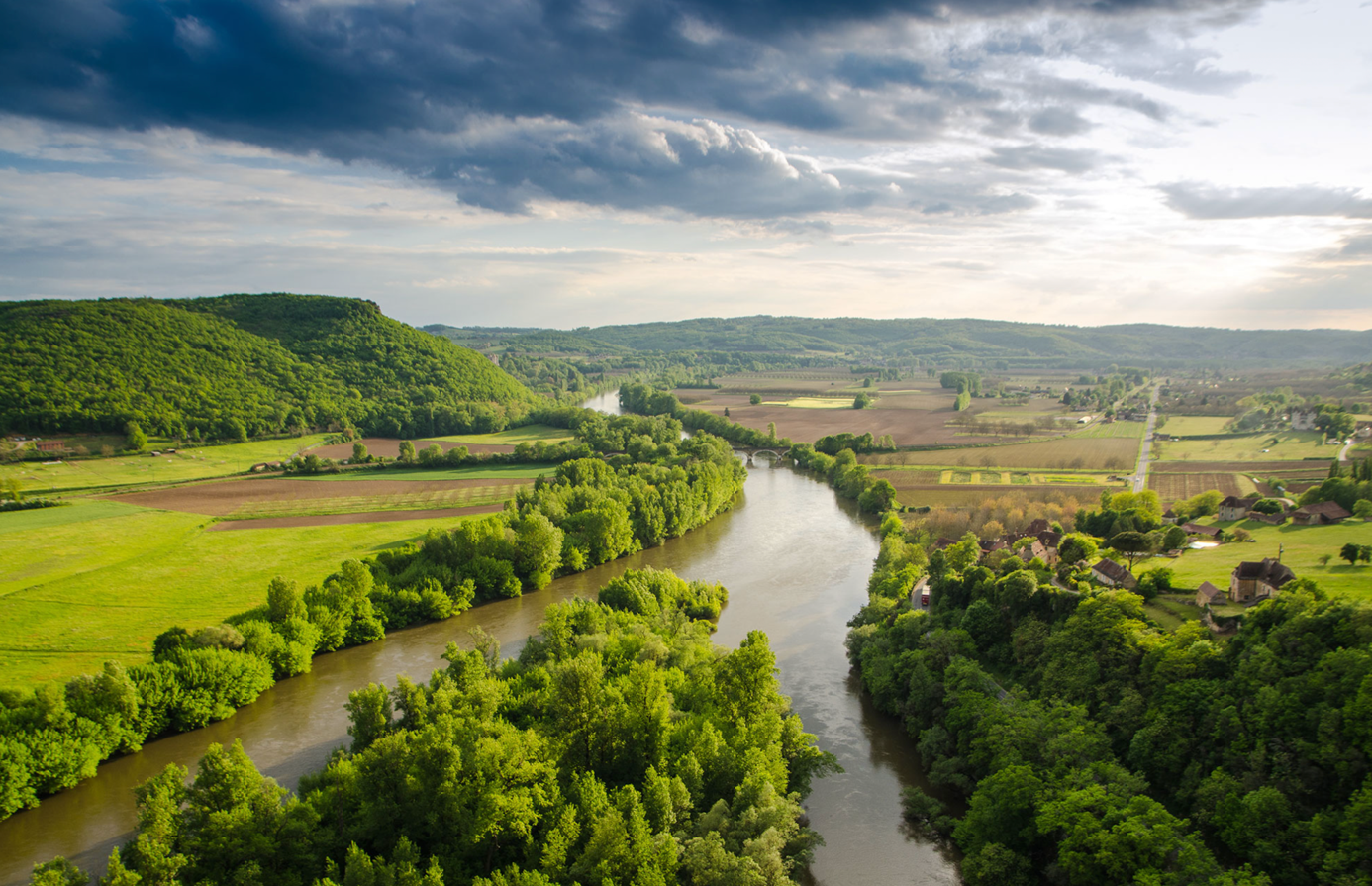
The Dordogne is an iconic river in southwestern France, renowned for the beauty of its valley and the quality of its waters. Originating in the Massif Central, it flows through diverse landscapes before joining the Garonne.
Designated a biosphere reserve by UNESCO, the Dordogne offers an exceptional natural environment, preserved and conducive to outdoor activities. Its moderate current makes it a river particularly well-suited to canoeing, accessible to beginners as well as more experienced paddlers.
Navigating the Dordogne means discovering a living river, bordered by cliffs, forests and villages typical of the Périgord Noir, while enjoying a gentle and accessible activity.
What to see during a canoe trip down the Dordogne?
A canoe trip down the Dordogne River offers the chance to discover exceptional heritage directly from the water. Between medieval castles and listed villages, each route offers unique perspectives on the must-see sites of the Périgord Noir.
Montfort Castle
Perched on a rocky spur, it overlooks a spectacular meander of the Dordogne and constitutes one of the most iconic viewpoints in the valley.
La Roque-Gageac
Classified among the most beautiful villages in France, this village is nestled against a cliff and offers a unique setting visible directly from the river.
Domme
This hilltop bastide overlooks the Dordogne and offers an exceptional panorama over the entire valley.
Castelnaud Castle
An impressive medieval fortress, it faces Beynac Castle and bears witness to the military history of the region.
Beynac Castle
Dominating the valley from a cliff, it is one of the best-preserved castles in Périgord.
Fayrac & Malartrie Castle
Two elegant sites visible from the river, which complete this unique landscape between nature and heritage.
The route with the most castles: Carsac → Beynac
The Carsac → Beynac route (approximately 21 km) is one of the most spectacular. It allows you to discover several iconic castles in a single descent, as well as listed villages and typical Dordogne landscapes.
Practical tips for your canoe trip
Choosing the right time
Opt for morning departures to enjoy pleasant temperatures and a calmer river. During peak season, remember to book in advance.
Equip yourself properly
A life jacket is mandatory. Also bring appropriate clothing, water shoes, a hat, sunglasses, and sunscreen.
Pack your own picnic
Breaks are possible throughout the route. Remember to bring water and use a waterproof container to protect your belongings.
Respect the navigation rules
Remain attentive to other users, follow safety instructions and adapt your navigation to the river conditions.
Regulations and safety
To ensure a safe descent, certain rules must be followed:
- Children under 5 years old are not allowed to sail
- All participants must be able to swim 25m and submerge themselves.
- Children aged 5 to 12 must be supervised or accompanied.
- Wearing a buoyancy aid vest is mandatory.
- Respect the environment, the river and other users
Where to stay near the Dordogne?
Numerous campsites are located along the Dordogne River, offering ideal accommodation options to fully enjoy your stay. Whether you wish to spend one night or several days, you will easily find a campsite to suit your needs, often right next to the river.
Some establishments also offer convenient services such as catering or grocery stores.
- Camping Le Plein Air des Bories in Carsac - +33 5 53 28 15 67
- Camping Le Rocher de la Cave in Carsac - +33 5 53 28 14 26
- Camping Aqua Viva in Carsac - +33 5 40 35 50 01
- Camping Domaine des Chênes Verts in Calviac - +33 5 53 59 21 07
- Camping Les Acacias in Sarlat - +33 5 53 31 08 50
- Camping Les Pierres Chaudes in Veyrignac - +33 5 53 59 15 31
- Camping Les Granges in Groléjac - +33 5 65 32 46 58
- Camping Du Lac de Groléjac in Groléjac - +33 5 53 59 48 70
Where to eat during your descent?
You can bring your own picnic and enjoy a break by the water. Waterproof containers are usually provided to protect your belongings.
Many villages located along the Dordogne also offer restaurants and shops accessible from the river, perfect for a gourmet break.e.